























A uniform rollout can look successful at the sample stage and still fail on the first busy shift. Shirts may fade after repeated washing, sizing may be inconsistent across departments, or a supplier may struggle to reproduce the same navy blue six months later. This employee uniform procurement guide is built for buyers who need more than branded apparel: they need reliable supply, usable garments, controlled costs, and a consistent staff presentation.
Start With the Operational Brief, Not the Garment
The procurement process should begin with how employees work. A front-desk team, delivery crew, healthcare unit, restaurant kitchen, and field-sales force may all represent one brand, but they do not need the same construction, fabric weight, or decoration method.
Define the job environment before discussing colors or logo placement. Consider indoor versus outdoor work, heat exposure, customer contact, movement requirements, cleaning frequency, safety standards, and whether garments are shared, individually issued, or replaced on a schedule. For Malaysian operations, humidity, rain, and frequent laundering often make breathability, colorfastness, and drying time more commercially relevant than a low initial garment price.
A useful brief also separates essential requirements from preferences. Essential requirements might include a moisture-managing polo, a reflective feature, modest coverage, or a washable fabric that holds up to industrial laundering. Preferences could include contrast piping, a premium collar finish, or multiple color options. This distinction prevents design discussions from pushing the project beyond budget or production lead time.
Build a Clear Uniform Matrix
Instead of requesting one generic quotation, create a uniform matrix by role. State the garment type, intended use, quantity, size range, logo locations, decoration method, and replacement expectation for each employee group.
For example, customer-facing staff may receive embroidered polos and tailored outerwear, while warehouse staff need printed work shirts with reflective details and reinforced seams. This gives uniform suppliers a usable basis for pricing and helps buyers compare quotations on like-for-like specifications. It also reveals where a standard garment can reduce cost and where a custom made uniform is justified.
Specify Fabric Performance in Commercial Terms
Fabric names alone are not enough. “Polyester,” “cotton,” and “microfiber” can describe materials with very different weights, finishes, durability, and comfort levels. Ask suppliers to provide fabric composition, weight, construction, shrinkage expectations, colorfastness information, and care instructions.
For active teams, polyester or polyester-rich blends can offer fast drying, shape retention, and strong color consistency. Cotton-rich fabrics may feel softer and more natural, but they can retain moisture longer and may show greater shrinkage or fading depending on construction and finishing. Poly-cotton blends remain a practical middle ground for many corporate, hospitality, and service applications.
Fabric performance is also a branding issue. A uniform that looks sharp only when new undermines the intended presentation after a few wash cycles. Request a physical sample, not just a swatch, when the order is significant. Have employees wear, wash, and assess it under real working conditions. Check collar recovery, pilling, seam comfort, opacity, odor retention, and how the garment performs at the end of a shift.
Choose Decoration for the Garment and the Order Size
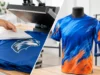
Embroidery, screen printing, heat transfer, direct-to-film printing, and other digital decoration methods each have a place in uniform procurement. The right choice depends on logo detail, fabric type, garment use, wash requirements, and order volume.
Embroidery projects a durable, premium appearance on polos, shirts, caps, jackets, and hospitality wear. However, dense stitching can feel heavy on lightweight fabrics and may distort thin materials. Screen printing is cost-effective for larger runs with simple spot-color artwork, particularly on T-shirts and promotional uniforms. Digital methods can suit short runs, variable names, detailed graphics, or multi-color designs, but buyers should confirm wash durability and whether the print finish affects breathability.
Ask for a decoration sample on the actual garment fabric. A logo that appears crisp on a cotton sample may behave differently on a textured performance knit. Confirm the approved artwork version, logo dimensions, thread or print colors, placement measurements, and tolerance for variation. These details become vital when the supplier needs to reproduce the program for new hires or additional branches.
Compare Uniform Suppliers Beyond Unit Price
A low quotation can conceal missing costs, lower-grade fabrics, limited size availability, or weak repeat-order capability. Buyer guides for selecting uniform suppliers should assess the full delivery model, not simply the first purchase order.
When reviewing manufacturer profiles and uniform supplier features, examine whether the business can support your required product category, customization method, order quantity, and timeline. Some providers are strong in ready-made polos with fast logo application. Others specialize in custom tailoring, technical workwear, medical apparel, or large-scale cut-and-sew manufacturing. Neither model is automatically better. It depends on whether speed, precise fit, technical performance, or long-term program consistency matters most.
Ask direct commercial questions before appointing a supplier:
- What is included in the quoted price, including artwork setup, sampling, packing, delivery, and applicable taxes?
- What are the minimum order quantities for initial production and repeat orders?
- Can the supplier reserve fabric, trims, or color standards for future replenishment?
- What is the production lead time after sample approval, and what happens if materials are delayed?
- How are sizing discrepancies, print defects, shortages, and quality claims handled?
The answers show whether a supplier is set up for a one-off event order or an ongoing uniform program. They also help procurement teams avoid a common problem: selecting a vendor that delivers the first batch but cannot match it later.
Control Sizing, Approval, and Issue Planning
Sizing is where uniform projects often create avoidable waste. Generic size ratios are useful for estimating quantities, but they should not replace employee sizing when fit matters. Collect size data early, particularly for tailored garments, safety wear, women’s fits, and teams with a broad range of body types.
Provide a measurement guide and define whether the garment measurement or the body measurement determines size selection. If possible, run a fitting session with size sets. Employees should be able to sit, bend, reach, and work in the selected size, not simply try it on for a minute. For customer-facing uniforms, fit also affects confidence and appearance.
Use a written approval process. The approved sample should document fabric, color, garment pattern, trim, logo position, decoration colors, and packaging requirements. Photography helps, but retaining a sealed physical approval sample is even better for larger programs. It becomes the reference point if a later batch differs.
Issue planning deserves the same attention. Decide how many sets each employee receives, which items are seasonal, who approves replacements, and whether leavers must return outerwear or branded items. A controlled issue plan reduces emergency purchases and gives buyers better visibility into annual uniform spend.
Plan for Reorders From Day One
Uniform procurement is rarely finished when the cartons arrive. New hires, turnover, role changes, lost garments, branch openings, and seasonal requirements all create follow-up demand. If repeat orders are likely, include them in the original supplier discussion.
Keep a simple specification file containing approved artwork, Pantone or color references where relevant, fabric details, garment codes, size charts, decoration files, supplier contacts, and past order quantities. This record makes reordering faster and protects consistency when internal staff or suppliers change.
For organizations with multiple locations, consider whether a central stockholding model is practical. Centralized inventory can improve control over branding and reduce small-run costs, while branch-level ordering may offer faster local response. The right model depends on staff turnover, storage capacity, and the cost of holding stock versus ordering on demand.
Use Sustainability as a Procurement Test, Not a Label
Responsible uniform choices should be measurable. Ask whether fabrics contain recycled content, whether the supplier can identify material origins, how offcuts are managed, and whether garments are designed for a realistic service life. A longer-lasting garment can be the more responsible option even if its initial cost is higher.
Avoid treating sustainability as a single fabric claim. Durability, repairability, laundering requirements, packaging, local production capacity, and end-of-life options all affect the total impact. For some programs, reducing unnecessary style changes and maintaining consistent replenishment stock will create more value than switching to a material that does not suit the job.
A well-procured uniform should make the next shift easier, not create the next operational problem. When specifications reflect real work, supplier capability is verified, and reorders are planned before launch, uniforms become a dependable part of brand delivery rather than another item to chase after.