
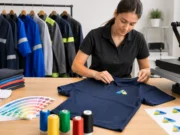

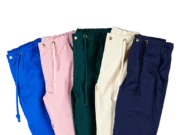





















A staff polo that fades after three washes, a chef jacket that traps heat during service, or a logo that cracks before the first quarterly meeting can create a bigger business problem than an untidy appearance. Knowing how to source staff apparel means treating uniforms as an operational purchase: one that affects comfort, safety, brand recognition, employee confidence, and the cost of future reorders.
For procurement teams, HR managers, and business owners, the strongest result is rarely the cheapest quotation. It is a supply arrangement that delivers the right garment specification, dependable branding, consistent sizing, and a clear path for repeat orders as teams grow.
Start With the Job, Not the Garment
The first sourcing decision is not whether to choose a polo, shirt, apron, or jacket. It is defining what employees actually do while wearing it. A front-desk team may need a polished, easy-care appearance under air-conditioning. Warehouse crews may need breathable fabrics, reinforced seams, and high-visibility elements. A field-sales team may value lightweight, wrinkle-resistant layers that travel well.
Build a short wear brief before approaching suppliers. Include the work environment, expected shift length, cleaning frequency, exposure to heat, chemicals, food, machinery, or weather, and any safety or regulatory requirements. Also clarify whether the apparel is customer-facing, intended for a one-off campaign, or part of a daily uniform program.
This step prevents a common purchasing mistake: selecting a garment from a catalog because it looks right, then discovering that it performs poorly in real work conditions. A fabric suitable for office staff may be uncomfortable for hospitality crews, while a heavy-duty work shirt can look overly industrial in a retail environment.
How to Source Staff Apparel With a Clear Specification
Once the use case is clear, turn it into a specification that suppliers can quote accurately. Vague requests such as “black corporate shirts with logo” almost guarantee quotations that are difficult to compare. One supplier may price a lightweight cotton blend, another may include embroidery, and a third may assume a stock garment with a single-color print.
A useful specification identifies the garment category, color, fabric composition or preferred performance, size range, estimated quantities by size, logo locations, decoration method, delivery date, and budget expectation. If a custom made uniform is required, include design references and details such as collar style, pocket placement, contrast panels, button type, reflective tape, or modesty requirements.
Ask for the garment weight where relevant. Fabric weight, commonly expressed in GSM, helps buyers compare durability and feel. A higher GSM is not automatically better. It may improve structure and longevity, but it can also make a shirt warmer and slower to dry. For active teams in humid conditions, moisture management and breathability can matter more than a heavier fabric.
Choose fabric for performance and maintenance
Cotton offers familiarity and comfort but may wrinkle, shrink, or retain moisture depending on the construction. Polyester is durable, colorfast, and well suited to many decorated garments, though lower-quality options can feel less breathable. Cotton-poly blends often balance comfort, appearance, and wash durability. For technical roles, consider stretch fabrics, ripstop constructions, antimicrobial finishes, flame-resistant materials, or water-repellent treatments where the job genuinely requires them.
Maintenance deserves the same attention as first-day appearance. Ask who will wash the garments, what wash temperature is likely, whether industrial laundering is involved, and how often replacement will be needed. A slightly higher unit cost can be commercially sensible if the garment keeps its shape and color through repeated laundering.
Match decoration to the logo and garment
Embroidery gives a textured, durable finish and remains a popular option for polos, shirts, jackets, caps, and hospitality uniforms. It can become heavy or stiff on lightweight fabric, however, especially when the logo is large or highly detailed. Screen printing is cost-effective for larger quantities and bold artwork, while heat transfer can work well for names, numbers, small runs, and certain performance fabrics.
Digital printing offers flexibility for full-color graphics and shorter runs, but buyers should ask about wash performance, hand feel, and color consistency across future batches. The right method depends on artwork, fabric, order volume, placement, and the expected life of the garment. Request a decoration sample on the actual fabric rather than approving only a digital logo proof.
Find Suppliers by Capability, Not Just Price
The uniform supply chain often involves separate garment suppliers, fabric mills, embroidery specialists, printers, and custom manufacturers. Some providers manage the full process; others focus on one production stage. Neither model is automatically better. A full-service supplier can simplify accountability, while a specialist may offer deeper expertise for complex embroidery, technical workwear, or fully custom construction.
When reviewing uniform supplier features and manufacturer profiles, look beyond a polished product gallery. Confirm whether the supplier stocks garments, manufactures in-house, sources from approved factories, or outsources decoration. Ask about minimum order quantities, standard lead times, sample charges, production capacity, and how they manage peak seasonal demand.
A practical supplier assessment should cover at least these areas:
- Experience with your sector, whether corporate, healthcare, hospitality, education, retail, construction, or industrial workwear.
- Ability to support your required size range, including women’s fits, extended sizes, and culturally appropriate options where needed.
- Quality-control process, including inspection points for sizing, garment defects, logo placement, thread colors, and packing.
- Reorder capability, especially whether the same fabric, garment style, and decoration files can be retained for future orders.
- Communication quality, including clear quotations, written approval stages, and a named contact who can resolve production issues.
For Malaysian buyers, local production can offer faster sampling, simpler communication, and more flexible small-batch adjustments. Overseas manufacturing may reduce unit cost at higher volumes, but it can bring longer lead times, freight exposure, and higher minimums. The right choice depends on total landed cost and reorder needs, not just the headline price.
Sample Before You Commit
A sample is not a formality. It is the point where a concept becomes a procurement decision. Ask for a size set or fit sample where possible, then test the garment with a small group of actual wearers. Have them move, sit, reach, carry equipment, and wear the piece through a normal shift if timing allows.
Check whether the collar stays neat, seams sit comfortably, buttons and zippers feel secure, pockets are usable, and the logo placement looks balanced on different body sizes. For workwear, inspect reinforcement at stress points and confirm that reflective or safety components meet the stated requirement.
Brand colors need particular care. Colors viewed on a screen can differ from thread, ink, and dyed fabric. Provide approved color references when brand accuracy matters, and approve a physical strike-off or pre-production sample for large orders. This is especially valuable when combining several items, such as shirts, outerwear, caps, aprons, and bags, that need to look like one coordinated uniform program.
Build Sizing and Ordering Into the Process
Sizing issues create expensive waste, delayed onboarding, and frustrated staff. Do not rely only on generic S, M, L, and XL labels. Request the supplier’s measurement chart, identify whether measurements refer to garment dimensions or body dimensions, and communicate how employees should be measured.
Where the uniform is fitted or custom made, schedule an on-site fitting session or provide a try-on size set. Keep final employee size data secure and organized. Order a controlled buffer of common sizes, but avoid overbuying styles that may be redesigned soon.
Your purchase order should state the approved garment code, fabric, color, decoration artwork version, logo placement measurements, quantity by size, packing method, delivery address, delivery date, payment terms, and acceptance criteria. Written detail protects both buyer and supplier when a project involves several stakeholders.
Plan Reorders Before the First Delivery
Staff apparel is rarely a one-time purchase. New hires, replacements, promotions, events, and seasonal changes will create demand after the initial rollout. Ask the supplier whether they can reserve fabric, retain embroidery files and print settings, and maintain the same garment model for a defined period.
If a stock garment may be discontinued, discuss approved alternatives early. If your brand has strict color standards, document the acceptable tolerance and sample reference. For larger organizations, a simple uniform matrix can show which roles receive which garments, quantity entitlement, replacement timing, and branding rules.
Responsible sourcing can also strengthen the program. Ask about fabric origin, recycled-content options, dyeing practices, packaging reduction, ethical labor policies, and repair or recycling possibilities. Sustainability claims should be specific enough to verify. A recycled-polyester polo may be a sensible choice, but only if it still meets your wear, comfort, and decoration requirements.
The best staff apparel program gives employees something practical to wear and gives the business a repeatable standard to manage. Source with real work in mind, approve what you can physically inspect, and choose partners who can support the second order as confidently as the first.