
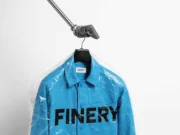























A hotel front desk team cannot look polished in shirts that fade after six washes. A warehouse crew cannot work efficiently in heavy fabric that traps heat. These are the practical stakes of staff apparel sourcing: the order has to represent the brand, fit real people, and perform through actual working conditions – not just look acceptable in a sample photo.
For Malaysian organizations, sourcing also means coordinating several moving parts: garment construction, fabric availability, size runs, embroidery or printing, approval cycles, delivery schedules, and reordering. The strongest buying decisions begin with a clear operating brief, then match that brief to suppliers with the right production capability.
Start staff apparel sourcing with the job, not the garment
A polo shirt, blouse, coverall, chef jacket, scrub top, and corporate jacket may all be called uniforms, but they solve very different problems. Before requesting quotations, define what employees do while wearing the garment. Consider the climate, indoor or outdoor exposure, movement required, customer contact, washing frequency, and safety requirements.
A retail associate may need a neat, color-consistent polo that stays presentable through long shifts. A field technician may need breathable fabric, utility pockets, reflective elements, and room for movement. Healthcare teams often need easy-care materials and a dependable size range, while hospitality properties may prioritize refined silhouettes and fabric drape. The right specification is not the most expensive one. It is the one that reduces daily friction for the wearer and prevents premature replacement.
This is where a one-size-fits-all brief creates costly compromises. A single garment style can simplify administration, but different departments may need separate fabric weights, cuts, or garment types. Standardizing the visual identity while varying the garment by role is often the more practical approach.
Build a sourcing brief suppliers can price accurately
Vague requests produce vague quotations. A supplier cannot give a dependable price or timeline from “company uniform, around 100 pieces” alone. Provide the expected quantity by garment type, target delivery date, color requirements, decoration placement, and any known fabric preference.
Include whether the order is a first issue, a replacement cycle, a new branch opening, or an event-based requirement. A first issue may require measurement support and size-set samples. A repeat program may place more value on color continuity, stored artwork, and the ability to replenish smaller quantities later.
Your brief should also state who signs off on design, fabric, sample, and final production. Many uniform delays are not production failures. They come from internal approval loops that start only after samples arrive. Assigning one decision owner, with clear feedback deadlines, protects the delivery date.
Specify the details that affect wear and cost
Fabric composition and weight should be discussed in relation to use, rather than selected only from a swatch card. Cotton-rich blends can offer comfort and a familiar hand feel, but may need more care to retain a crisp appearance. Polyester blends often support color retention and easier maintenance, which can suit high-turnover service environments. Performance knits can improve moisture management for active teams, although they may cost more and need decoration methods suited to the fabric.
Construction details matter as well. Ask about stitching at stress points, collar structure, zipper quality, pocket reinforcement, shrinkage allowance, and colorfastness. For industrial or safety applications, clarify whether the garment needs hi-vis materials, flame resistance, antistatic properties, or other documented performance standards. These requirements should never be treated as decorative add-ons.
Compare supplier capability, not just unit price
The lowest quote can become the highest-cost option when sizes arrive incomplete, logos crack, colors vary between batches, or the supplier cannot support reorders. Staff apparel sourcing should compare a supplier’s fit for the program as carefully as the garment price.
Ask whether the supplier is manufacturing in-house, coordinating a partner factory, or purchasing blank garments and decorating them locally. Each model can work. In-house manufacturing may offer stronger control over custom patterns and production scheduling. A blank-garment and decoration specialist may be faster for smaller branded orders. A supplier that manages several production partners may offer broader garment options, but buyers should confirm who is responsible for quality checks and delivery coordination.
Review relevant work, not only general portfolio images. A supplier experienced in corporate uniforms may not be the best match for technical workwear, medical apparel, or school programs. Manufacturer profiles and product catalogues are useful starting points, but the commercial conversation should test the supplier’s experience with your quantity, garment category, branding method, and reorder needs.
For a meaningful comparison, request pricing on the same specification and ask what is included. Clarify sampling charges, artwork setup, embroidery digitizing, screen or transfer setup, packing, delivery, taxes, alteration support, and minimum order quantities. A quote that appears cheaper may exclude the services another supplier has already included.
Treat branding as a production decision
A logo is not simply placed on fabric. Its clarity, feel, durability, and cost depend on the decoration method and the garment material. Embroidery gives a dimensional, premium finish and is common for polos, woven shirts, caps, and jackets. It may be less suitable for very lightweight fabrics or large designs because dense stitching can pull the material and add weight.
Screen printing can be economical for larger runs with simple spot-color artwork. Heat transfers can handle detailed graphics and smaller quantities efficiently, though quality varies by transfer system, fabric, and care conditions. Digital printing can suit complex full-color artwork, especially when design flexibility is a priority. For uniforms that face frequent laundering, request a decorated sample and assess it after wash testing where possible.
Placement deserves equal attention. A left-chest logo is familiar, but sleeve branding, back identification, name personalization, or reflective logos may better suit the role. Keep visibility, employee comfort, and operational needs in balance. A large back print may support event crews or delivery teams, while a discreet embroidered mark may be more appropriate for a premium hospitality environment.
Control fit before production starts
Fit complaints are expensive because they surface after the goods have been decorated and distributed. Do not approve sizing from a generic chart alone. Request a full size set or representative fitting samples, and have employees from different body types try them during normal movement: reaching, sitting, walking, bending, and lifting.
Decide early whether the program needs men’s, women’s, unisex, modest-cut, or extended-size options. A unisex garment can reduce SKU complexity, but it may not deliver the fit or professional presentation expected in customer-facing roles. If employee comfort and retention matter, the apparent savings from a narrow size range may not be worth it.
Record final size allocations carefully. Ordering a small overage in high-demand sizes can prevent a minor onboarding need from becoming an urgent, expensive reorder. For larger organizations, a controlled issue process also helps track what has been issued, returned, altered, or replaced.
Plan for reorders from the first purchase
Uniform programs rarely end with one delivery. New hires arrive, departments expand, and garments wear out at different rates. Ask suppliers how long they can maintain the same fabric, color, pattern, trims, and logo files. If an item is likely to be discontinued, discuss a practical alternative or hold enough stock for the intended program period.
Reorders create a key trade-off. Holding inventory can protect consistency and shorten lead times, but ties up cash and requires storage. Ordering only when needed reduces inventory exposure, but can leave teams waiting if fabric or components are unavailable. The right choice depends on staff turnover, seasonal demand, budget, and the importance of exact visual continuity.
A supplier with organized artwork records, approved specifications, and repeat-order procedures can make this process far easier. This is particularly valuable for multi-site businesses, franchises, schools, and organizations that need departments to look consistent across locations.
Use samples to prevent assumptions
A production sample is more than a formality. It is the point where a buyer can check fabric hand feel, actual shade, logo scale, thread or print color, stitching, label details, and overall balance. Photographing and documenting the approved sample creates a reference for both parties before bulk production begins.
When timing is tight, buyers may be tempted to skip sampling. That can be reasonable for a proven repeat order with unchanged specifications. For a new supplier, new garment, new decoration method, or high-visibility rollout, skipping the sample stage transfers too much risk into the main order.
Good staff apparel sourcing creates a uniform program employees will actually wear with confidence and managers can reorder without guesswork. When the brief is grounded in the work, the supplier is chosen for capability, and the sample is treated as a real approval gate, uniforms become a reliable part of operations rather than another recurring procurement problem.