

























A hotel opening a new wing, a healthcare group standardizing multiple clinics, or a logistics operator onboarding 300 drivers all face the same pressure: uniform procurement has to produce garments that look consistent, fit real people, survive daily work, and arrive when the business needs them. The lowest unit price rarely delivers all four.
Uniforms are operational assets. They carry a brand at reception, signal authority on a worksite, support hygiene in clinical settings, and affect whether employees feel comfortable through a long shift. A sound buying process connects those outcomes to fabric, construction, decoration, supplier capacity, and replenishment planning before a purchase order is issued.
Start Uniform Procurement With the Job, Not the Garment
A polo shirt, button-front shirt, scrub set, and safety vest may all be called uniforms, but they solve very different problems. Begin by defining what each role actually does, where the garment is worn, how often it is laundered, and which parts of the brand must be visible. This turns a broad request for corporate uniforms into a usable sourcing brief.
For example, a front-of-house hospitality team may need a polished silhouette, breathable fabric, and embroidery that stays sharp under frequent washing. A warehouse team may place greater value on movement, abrasion resistance, reflective details, and easy size replacement. A school may need durable fabric and stable colors across repeat orders. Trying to force one garment specification across every department can create unnecessary cost and poor adoption.
The brief should also identify non-negotiables. These might include a specific brand color, modesty requirements, antimicrobial properties, flame resistance, high-visibility compliance, or a defined size range. Separate these requirements from preferences. Suppliers can price and advise accurately when they know which details cannot change.
Build a Specification That Suppliers Can Quote
A clear specification is the most practical control in uniform procurement. Without one, suppliers may quote garments that look similar in a catalogue but differ substantially in weight, fabric composition, stitching, colorfastness, or decoration quality. Comparisons then become misleading.
For a custom made uniform program, include these details in a shared request document:
- Garment type, intended wearer, and estimated quantities by style, color, and size
- Fabric composition, target weight, stretch, moisture management, and relevant performance needs
- Construction details such as collar type, pocket placement, closure, seam finishing, and reinforcement
- Brand application requirements, including logo size, placement, thread or ink colors, and preferred decoration method
- Delivery location, required dates, packaging needs, and the expected process for repeat orders
A reference image is useful, but it is not a complete specification. The same visual can be produced with a low-cost cotton blend, a performance knit, screen printing, embroidery, heat transfer, or woven badges. Each choice changes lead time, durability, hand feel, and price.
Ask suppliers to identify assumptions in their quotes. If fabric weight, logo dimensions, or delivery terms are not specified, request clarification before comparing prices. This small discipline prevents a common procurement problem: approving a quote that is technically cheaper because it excludes a feature another supplier included.
Match Supplier Capability to the Program
Supplier discovery should go beyond finding a business that sells uniforms. The right partner depends on whether the program needs stock garments with branding, made-to-measure pieces, fully custom patterns, technical workwear, or ongoing replenishment across locations.
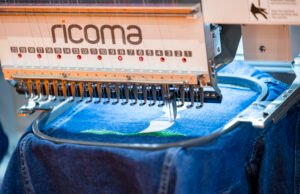
A supplier with strong embroidery equipment may be ideal for executive shirts, caps, and small-run branded apparel. A manufacturer with pattern-making and cut-and-sew capability may be better for a distinctive hospitality collection or a large program requiring consistent production control. For printed event apparel, screen printing or digital transfer capability may matter more than tailoring expertise.
When reviewing manufacturer profiles and uniform supplier features, look for evidence of relevant experience rather than broad claims. Ask what sectors they serve, what order volumes they commonly handle, whether decoration is completed in-house, and how they manage color matching. Also ask who owns the production process. Some companies coordinate external factories, which can work well, but buyers need visibility into quality control, lead times, and accountability.
Capacity is not just a question of maximum monthly output. It includes whether the supplier can handle a short initial deadline, produce accurate samples, keep approved materials available, and support smaller top-up orders six months later. A supplier that delivers 1,000 garments successfully but cannot replenish 20 replacement shirts can create a costly operational gap.
Evaluate Fabric and Decoration Together
Fabric and branding methods should be selected as a pair. Heavy embroidery can pull lightweight knitwear out of shape. A large printed area may reduce breathability in a garment designed for outdoor staff. Dark fabric can require an underbase for printing, affecting the final feel and color result. These are production decisions, not decorative afterthoughts.
For active teams, polyester blends and performance fabrics may offer moisture management and faster drying, though they can retain odor if fabric quality is poor. Cotton-rich garments often feel familiar and comfortable, but they may shrink, fade, or dry more slowly depending on construction. Blends can balance comfort and durability, particularly for service, retail, and administrative roles.
Decoration methods also involve trade-offs. Embroidery gives a premium, durable appearance for logos with limited colors, but it may be less suitable for fine detail or large artwork. Screen printing is cost-effective at volume, while digital transfers can suit smaller quantities and complex graphics. Request physical samples on the actual fabric whenever possible. Artwork approved on a screen is not the same as a logo tested after repeated laundering.
Price the Full Program, Not Just the First Order
Unit cost matters, but it should be evaluated alongside wear life, defect risk, fulfillment, and replenishment. A lower-priced shirt that fades quickly or has inconsistent sizing can generate replacement costs, staff dissatisfaction, and a weaker customer-facing image.
Ask for a cost breakdown where appropriate: garment, customization, setup charges, sampling, packing, delivery, and any minimum-order requirements. This makes it easier to compare suppliers fairly and identify where adjustments are possible. A simpler logo placement, a more available fabric color, or a consolidated delivery schedule can reduce cost without compromising the program.
For multi-location buyers, centralizing specifications can create meaningful control. Approved styles, logo files, color references, and size records should not live only in email threads. A basic uniform register helps HR, operations, and purchasing teams reorder the correct item and reduces unauthorized substitutions.
Treat Sampling as a Commercial Checkpoint
Do not approve production based only on a digital mockup. Samples should be reviewed by the people who understand brand presentation, daily wear, and purchasing requirements. Have representative employees try garments on, especially where size ranges, mobility, safety, or climate are major factors.
Check fit in motion, not only in front of a mirror. Staff should sit, reach, bend, carry equipment, and wear the garment through a normal shift if possible. Inspect logo alignment, stitch density, print edges, zipper performance, seam strength, and color consistency under natural light. If laundering is a major part of the use case, test a sample after several wash cycles before final approval.
Document approved samples with photos, measurements, fabric details, and decoration references. This creates a production standard for the supplier and protects the buyer when future orders are placed by a different team member.
Plan for Rollout and Reorders Early
The best time to discuss replacements is before the first delivery. Confirm how long fabric and trims can be retained, whether minimums apply to repeat orders, and what lead time is realistic for new hires. For organizations with seasonal staffing, phased delivery may be more practical than holding a large quantity of finished garments.
A well-run program also needs a simple issue process. Employees should know how sizing is managed, when replacements are allowed, and who approves exceptions. This keeps uniform spend visible while ensuring staff are not left wearing damaged or ill-fitting apparel.
The strongest uniform programs are built with enough discipline to protect the brand and enough flexibility to support the people wearing it. When specifications are clear and supplier capability is verified, uniforms stop being a recurring purchasing headache and become a dependable part of daily operations.