



















A clinic uniform has to perform long after the first fitting. It needs to stay presentable through patient-facing shifts, frequent washing, sudden spills, stock-room movement, and the practical demands of each clinical role. The best scrubs for clinic teams are therefore not simply the softest set on a sample rack. They are a coordinated purchasing decision that balances hygiene protocols, staff comfort, brand standards, replacement costs, and dependable supply.
For clinic administrators, HR teams, and procurement managers, the right program can improve staff presentation without making daily work harder. The wrong one often creates familiar problems: inconsistent shades between reorders, uncomfortable cuts, inadequate pockets, fabrics that fade early, and employees buying mismatched substitutes.
Start With the Clinic Workflow, Not the Fabric Swatch
Scrubs should reflect what staff actually do during a shift. A front-desk coordinator, a phlebotomist, a dental assistant, and a clinician in a treatment room may all work under one brand, but they do not need identical garment specifications.
Begin by mapping job functions, movement requirements, and exposure to fluids or cleaning agents. Staff who repeatedly bend, reach, transfer supplies, or move between rooms generally benefit from stretch panels or a fabric with mechanical stretch. Teams working near imaging equipment, air-conditioned consultation rooms, or warm laboratory areas may have different comfort priorities. A lightweight fabric can feel better in a warm facility, while a slightly denser construction may provide better opacity and a more structured appearance.
This role-based approach also prevents overbuying premium features where they are not needed. For example, a performance scrub top may be justified for clinical staff with active shifts, while administrative personnel may only require a polished tunic or branded polo that matches the clinic color system.
The Best Scrubs for Clinic Teams Balance Fabric and Durability
Fabric composition drives most of the long-term experience. It affects hand feel, breathability, color retention, drying time, wrinkle resistance, and how well a garment holds up to repeated laundering. Procurement teams should request composition details rather than rely on descriptions such as “premium” or “comfortable.”
Polyester-cotton blends remain common because they are durable, relatively easy to care for, and generally cost-effective at scale. A higher polyester content can improve color retention and reduce wrinkling, but it may feel warmer than a cotton-rich blend. Cotton can offer a softer, more natural feel, yet it may shrink more readily, wrinkle, and take longer to dry unless the fabric has been properly finished.
For active clinics, polyester-rayon-spandex blends are often worth evaluating. Rayon can improve softness and drape, while a modest amount of spandex adds useful stretch. The trade-off is cost and, in some cases, a greater need for careful wash testing. Stretch recovery matters as much as stretch itself. A fabric that loosens at the knees, elbows, or seat after several washes will quickly look unprofessional.
Do not assume antimicrobial claims solve infection-control requirements. A fabric treatment may support odor management or garment freshness, but it does not replace hand hygiene, PPE procedures, cleaning protocols, or appropriate laundering. Ask suppliers what the treatment is designed to do, how long it is expected to last, and whether its performance changes after commercial washing.
Test for opacity, shrinkage, and color consistency
A fabric sample is only the beginning. Before approving a large order, wash and wear-test production samples in the selected colors. Light shades, in particular, should be checked for opacity under clinic lighting and during movement. Evaluate shrinkage after several wash cycles, inspect seams for puckering, and compare color consistency across tops, pants, and sizes.
This small step can prevent a costly rollout problem. It is also the best way to verify whether a supplier’s standard fabric performs as promised in your laundry routine.
Fit Is a Retention Issue, Not a Cosmetic Detail
Staff are more likely to wear the assigned uniform correctly when it fits well and allows them to work comfortably. A clinic should offer a clear size range and, where possible, more than one fit profile. Unisex scrubs can simplify inventory, but they do not suit every team member equally. A supplier with men’s, women’s, and inclusive sizing options can reduce alterations and improve acceptance.
The best approach is to run a structured sizing session using physical samples. Do not rely only on a generic size chart or staff members’ usual retail size. Garment measurements vary by manufacturer, and scrub sizing frequently differs from casual clothing. Record the approved size, fit preference, and inseam requirement for each employee before the final production order.
Pay close attention to practical details: waistband construction, drawcord security, rise depth, side vents, sleeve mobility, and pant length. Cargo pockets may benefit nurses and technicians carrying tools, but oversized pocket styling can look less refined in a boutique medical or aesthetic clinic. For patient-facing teams, a clean silhouette with well-positioned utility pockets often provides the best balance.
Build a Color System That Supports the Brand and the Floor Plan
Color can do real operational work. Coordinated scrubs help patients identify staff roles, make a multi-specialty clinic easier to navigate, and reinforce a calm, professional visual identity. The most effective systems usually use a limited palette rather than assigning a different color to every job title.
A clinic might place all clinical staff in navy, use a distinct shade for dental or laboratory teams, and reserve branded outer layers for reception or management. This creates clarity without making the operation look fragmented. Darker colors are forgiving for high-contact roles, while lighter neutrals can suit premium wellness, pediatric, or aesthetic environments if laundering capacity is reliable.
Before committing, view the selected colors under both daylight and interior lighting. Screen images and small swatches can be misleading. If brand colors are central to the design, specify a color reference and approve a bulk fabric cutting before production. Reorder consistency should be part of the supplier discussion from the start.
Branding Should Be Clean, Durable, and Role-Appropriate
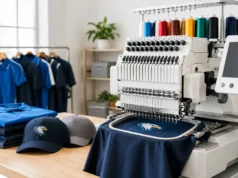
An embroidered clinic logo adds recognition, but placement and scale matter. A small left-chest embroidery is usually durable and professional for scrub tops, jackets, and lab coats. It should be sized to remain legible without pulling or stiffening lightweight fabric. Names and job titles can be useful in patient-facing settings, although they should follow the clinic’s privacy and security practices.
Embroidery is a strong option for smaller logos and repeat programs, while printed decoration may suit larger graphics or promotional apparel. For scrubs, prioritize methods that tolerate frequent washing and do not compromise breathability. Request a stitched or decorated pre-production sample, especially if the logo contains fine text, tonal details, or multiple colors.
Avoid treating branding as an afterthought. The garment fabric, thread colors, logo file quality, and placement specification should all be approved together. This gives the uniform supplier a reliable standard for future batches.
Source for Continuity, Not Just the Lowest Unit Price
The lowest quote can become expensive when garments fail early or replacement stock is unavailable. A stronger buying process assesses the supplier’s production capacity, minimum order quantities, lead times, size availability, fabric continuity, decoration capability, and ability to support repeat orders.
For larger clinic groups, ask whether the supplier can hold fabric or maintain an agreed specification for future onboarding. For independent clinics, a smaller initial run with a repeat-order plan may be more sensible than carrying excessive inventory. Either way, document every approved element: fabric code, garment style, color, logo dimensions, thread references, size chart, and packing requirements.
A useful supplier evaluation should cover more than a sample garment. Consider these four commercial questions:
- Can the supplier provide consistent replacement pieces six or twelve months after the launch?
- Is the quoted fabric available for ongoing production, or is it a one-time stock fabric?
- Are alteration, name embroidery, and individual packing available when needed?
- What quality-control process applies before delivery, particularly for sizing, shade variation, and logo placement?
Supplier profiles and manufacturer catalogues can help buyers compare available capabilities, but a written specification remains the safeguard that keeps a clinic uniform program consistent as headcount changes.
Plan Quantities Around Laundry Reality
Most full-time clinical staff need enough sets to cover their schedule, wash cycle, and unexpected changes during a shift. The exact quantity depends on role, laundering responsibility, and local policy, but issuing too few sets often leads to worn garments, inconsistent substitutes, and rushed washing that shortens garment life.
Set a replacement policy at the point of purchase. Define who approves replacements, how damaged items are returned, whether departing staff return branded garments, and when the clinic refreshes styles or colors. This protects the brand standard and gives procurement teams better visibility into the real annual cost of the program.
A clinic uniform should make the team look organized because the sourcing behind it is organized. When fabric testing, fit sessions, branding approval, and reorder planning happen before the first purchase order, scrubs become a practical operating asset rather than another recurring staff complaint.