

















A uniform that looks acceptable on delivery can fail within weeks of commercial washing. Colors fade unevenly, collars lose shape, reflective trim peels, and fabric becomes uncomfortable during long shifts. For facilities that depend on repeated wash-and-wear cycles, industrial laundry uniforms must be specified as operational equipment, not selected as a basic apparel purchase.
The right program balances worker protection, comfort, garment life, brand presentation, and replacement cost. For procurement teams, that means looking beyond the sample size, initial price, and logo placement. The most useful buying decisions begin with the actual work environment and the laundry process the garment will face.
What Industrial Laundry Uniforms Need to Do
Industrial laundry uniforms are work garments designed for demanding use and frequent processing through commercial laundry systems. They are common in manufacturing plants, logistics operations, food processing sites, maintenance teams, healthcare support functions, hospitality back-of-house departments, and cleaning services.
Their job is broader than making staff identifiable. A well-planned uniform program supports safer work practices, gives employees practical movement and storage, creates a consistent customer-facing image, and helps supervisors identify roles, departments, and authorized personnel. In some environments, color coding can also help separate hygiene zones or distinguish maintenance crews from production staff.
The exact specification depends on the risk profile. A warehouse picker may need breathable fabric, durable knees, and high-visibility details. A technician working around oils or chemicals may require protective finishes and stronger closure systems. Food production teams may need garments that reduce loose-item risks and remain presentable after high-temperature washing.
Start With the Work Environment, Not the Catalog
Before requesting quotations, document what employees actually do during a shift. This prevents a common procurement mistake: buying one generic polo or coverall for jobs with very different demands.
Consider heat, humidity, abrasion, fluid exposure, machine proximity, visibility requirements, and the amount of bending, reaching, climbing, or lifting involved. In Malaysia’s humid operating conditions, fabric breathability and drying time can have a direct effect on employee comfort and uniform compliance. Workers are less likely to wear garments correctly when the fabric traps heat or restricts movement.
Heat, chemicals, and contamination change the specification
Where workers face arc flash, flash fire, welding sparks, or heat exposure, flame-resistant garments need a properly documented performance specification. Do not assume that a heavy fabric is protective. Flame resistance, if required, must be matched to the work hazard and maintained through the expected laundering process.
For chemical exposure, the garment’s role must also be clear. A standard work uniform may resist minor splashes or stains, but it is not automatically chemical personal protective equipment. When a task requires chemical protection, procurement teams should coordinate with safety personnel on the appropriate protective layers, gloves, aprons, and replacement procedures.
Contamination control brings different priorities. Food, healthcare, and clean-process operations may need low-lint materials, secure pockets, covered fasteners, and color systems that make soiling easier to identify. The garment should support the site’s hygiene controls rather than create another source of contamination.
Choose Fabric for Industrial Laundry Performance
Fabric selection is where appearance, comfort, and total cost meet. Cotton-rich fabrics are breathable and familiar to wear, but they can shrink, wrinkle, and dry more slowly. Polyester-rich blends generally offer better color retention, faster drying, and stronger resistance to repeated commercial washing. The trade-off is that some polyester-heavy garments can feel warmer, especially in high-humidity workplaces.
A polyester-cotton blend is often a practical starting point for industrial uniforms because it combines durability with everyday comfort. The right blend ratio, fabric weight, and weave still depend on the job. Lightweight fabrics can improve mobility and heat management, while heavier constructions may last longer in abrasive work areas.
Ask suppliers how the fabric performs after repeated washing, drying, and pressing. Useful questions include expected shrinkage, colorfastness, pilling resistance, tensile strength, and whether the fabric finish changes after laundering. A supplier should be able to explain the difference between a garment built for occasional washing and one designed for a managed industrial laundry cycle.
It is also worth checking color consistency across production batches. When new staff join six months later, replacement shirts should match the existing program closely. This matters for corporate identity, but it also prevents a mixed, unprofessional appearance on the production floor or at customer sites.
Design Details That Improve Daily Use
A garment can have good fabric and still fail because of poor construction. Reinforced stress points at pockets, crotches, elbows, and knees can extend useful life for active roles. Bar tacks, durable stitching, quality zippers, and securely attached snaps are small details that reduce repair and replacement volume.
Fit should be practical rather than overly tailored. Employees need room to move, but excessively loose garments can catch on equipment or create a messy appearance. Offer an inclusive size range and review samples on different body types before approving production. A size chart alone does not reveal whether sleeves ride up during lifting or whether a coverall pulls across the back when staff bend.
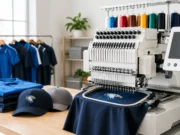
Branding should remain visible after repeated washing. Embroidery is often suitable for durable logos on polos, shirts, and jackets, while heat transfers, screen printing, and digital decoration may be appropriate depending on the fabric, artwork, and wash conditions. Decoration methods should be tested on the final garment fabric, not just approved from a generic sample swatch.
For roles requiring visibility, specify reflective tape placement, width, and wash durability. A reflective element that cracks or detaches after laundering creates both an appearance issue and a safety concern.
Build the Laundry Process Into the Uniform Specification
The laundry operation should influence every major decision, from fabric and trims to labeling and packaging. Commercial washers, dryers, finishing equipment, detergents, bleach exposure, and high temperatures place different stress on garments than household care.
If uniforms are handled by an external laundry provider, involve that provider before finalizing the garment. They can advise on wash temperatures, chemical compatibility, sorting requirements, repair capability, and expected garment life. If the organization manages laundry internally, operations teams should test a pilot batch through real cycles before issuing a full order.
Garment identification is another practical consideration. Barcode labels, heat-sealed name labels, RFID tags, and department markers can support issue control and reduce loss in larger programs. The best option depends on the number of wearers, the laundry workflow, and whether uniforms are assigned individually or issued from shared stock.
A pilot should be assessed after several wash cycles, not after one fitting session. Check for shrinkage, seam damage, collar distortion, color change, logo condition, and employee feedback. This small step can prevent an expensive commitment to a garment that performs poorly at scale.
How to Compare Uniform Suppliers
Price comparisons only work when suppliers are quoting the same construction, fabric, decoration, and service level. A lower quote may exclude size grading, artwork setup, individual packing, alteration support, or replacement stock. Ask for clear manufacturer profiles, fabric specifications, sample lead times, production capacity, minimum order quantities, and quality-control procedures.
For larger programs, assess whether the supplier can maintain continuity. Can they reproduce the same fabric and color? Do they keep logo files and approved specifications on record? Can they support additional branches, seasonal hiring, or urgent replacement orders? These questions are especially relevant for multi-site operators that need a consistent uniform standard.
Uniform Catalogue helps buyers compare supplier capabilities across custom made uniform production, embroidery, printing, textiles, and related services. The goal is not simply to find a vendor, but to find a production partner aligned with the operational demands of the uniform program.
Evaluate Cost Across the Garment Life Cycle
The cheapest garment is not always the lowest-cost choice. A uniform that costs less upfront but fades, tears, or loses shape quickly can increase replacement spending, laundry handling, and employee dissatisfaction. Calculate the expected cost per wear by considering purchase price, anticipated wash cycles, repair needs, decoration durability, and replacement frequency.
It may be sensible to use different garment tiers for different roles. High-abrasion maintenance crews may justify reinforced workwear, while administrative or visitor-facing teams may need lighter branded apparel. Standardizing every employee into one garment can simplify ordering, but it may compromise performance where work conditions vary.
A successful uniform program earns its place on the floor every shift. Specify garments around real work, test them under real laundry conditions, and choose suppliers that can keep quality consistent long after the first delivery.