


















A bulk uniform order checklist is not paperwork for its own sake. It is the control document that prevents a hotel team from receiving the wrong shade of navy, a clinic from running short on larger sizes, or a construction contractor from discovering too late that a logo placement conflicts with reflective tape. When uniforms support daily operations, the buying process needs the same discipline as any other business-critical supply purchase.
For Malaysian organizations sourcing custom made uniforms, the challenge is rarely finding a garment alone. The real task is coordinating fabric performance, sizing, branding, decoration, production capacity, budget, and delivery across a supplier network. A clear brief gives uniform suppliers and manufacturers the information they need to quote accurately and produce consistently.
Start With the Uniform’s Job, Not Its Appearance
Before comparing samples or requesting prices, define where, how, and how often each garment will be worn. A front-desk uniform has different priorities from a food-service polo, a school sports shirt, or industrial workwear. Appearance matters in every case, but the garment must also work for the person wearing it.
Document the wearer group, job roles, work environment, shifts, and expected replacement cycle. Ask whether staff work indoors, outdoors, in air-conditioned settings, around food, near machinery, or in wet conditions. A lightweight cotton-rich shirt may suit a customer-facing team, while a field crew may need moisture management, UV protection, reinforced stress points, and high-visibility elements.
This is where procurement teams should separate mandatory requirements from preferences. For example, a matching corporate color may be non-negotiable, while contrast piping may be optional if it affects cost or lead time. Clear priorities help suppliers offer practical alternatives instead of guessing what can change.
Build the Bulk Uniform Order Checklist Around Specifications
A purchase order that says “black polo shirt with logo” leaves too much room for interpretation. Your specification should create one agreed version of every item. Where possible, attach approved artwork, color references, photos of samples, and measurement charts to the final order record.
Garment construction and fabric
Record the garment category, fit, sleeve length, collar type, closure type, pocket configuration, trim, and any functional features. For fabric, specify composition, weight, weave or knit type, stretch requirement, finish, and care expectations. If the uniform must withstand industrial washing, frequent ironing, or daily outdoor use, state that early.
Do not assume a fabric name is enough. “Microfiber,” “cotton blend,” and “performance fabric” can describe a wide range of materials. Request the composition percentage and GSM, then assess a physical sample under real use conditions. A lower-cost fabric may look acceptable at handover but pill, fade, or lose shape after several wash cycles.
Color control deserves the same attention. Confirm the main garment color, contrast panels, thread colors, and whether the supplier will match a Pantone reference, an existing garment, or an approved swatch. Color matching across separate fabric lots can vary, particularly when jackets, polos, caps, and trousers are made by different production partners.
Branding and decoration details
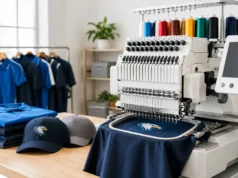
Include the final logo file format, logo dimensions, placement, thread or ink colors, and decoration method. Embroidery offers a durable, textured finish for polos, shirts, and caps, but dense embroidery can pull lightweight fabric or feel uncomfortable on the chest. Screen printing is cost-effective for larger runs with limited colors, while heat transfer and digital printing can suit complex artwork or smaller personalized batches.
The best method depends on the garment, artwork, quantity, washing conditions, and brand standard. Ask the supplier to provide a decorated sample when the logo is large, highly detailed, or placed on technical fabric. A digital mockup is useful for approval, but it cannot fully show thread density, ink opacity, or how a print behaves after laundering.
Get Quantities and Sizing Right Before Production
Sizing errors are among the most expensive failures in a bulk order because they often surface only after garments are distributed. Avoid estimating size ratios from guesswork or using a chart from an unrelated supplier. Fit varies by manufacturer, cut, and fabric stretch.
Collect individual size selections using the supplier’s own measurement chart. For higher-value garments such as blazers, chef jackets, work pants, or protective outerwear, arrange fitting samples or a sizing session. Record whether the fit is unisex, men’s, women’s, or a specific cut, and clarify if alterations are included.
Your final quantity schedule should show each item by color, size, and wearer group. It should also identify named personalization, such as embroidered names or department titles, separately from standard garments. Add contingency stock where turnover is high or onboarding is frequent. The correct buffer depends on the organization, but a small reserve can be cheaper than opening a later production run that misses the original fabric lot.
Check Supplier Capability Beyond the Quotation
A competitive quote is useful, but it does not confirm whether a supplier can deliver your required quality and timing. Review manufacturer profiles, relevant sector experience, decoration capacity, sample process, quality checks, and ability to handle repeat orders. A supplier that is strong in promotional T-shirts may not be the right fit for flame-resistant workwear or tailored hospitality attire.
Ask direct questions about minimum order quantities, production lead time after approval, stock availability, and whether garments are made in-house or sourced from multiple factories. There is no single right model. A specialist supplier with partner factories can offer flexibility and a broader range, provided responsibility for quality and delivery is clear.
For larger orders, agree on a pre-production sample or approved golden sample. This becomes the reference for fabric, color, fit, logo placement, stitching, and finishing. Also ask how defects will be identified, reported, replaced, and credited. Quality assurance is more useful when it is agreed before an issue appears.
Cost the Order as a Total Program
Unit price alone can hide meaningful differences. Build the budget around the total delivered program: garment cost, artwork setup, embroidery digitizing, printing screens, individual name personalization, sample charges, packaging, delivery, taxes, and any urgent production fees.
Compare like for like. A lower quote may exclude logo application, use a lighter fabric, omit individual packing, or assume a longer lead time. Conversely, a higher unit price may include better fabric stability, stronger decoration, inventory holding, or a more reliable replenishment process. The most economical choice is the one that meets the required service life and reduces avoidable reorders.
If uniforms will be issued in phases, discuss price validity and fabric continuity. Reordering six months later can be difficult if the original material, dye lot, or decoration setup has changed. For ongoing programs, it may be worth agreeing on a standard specification and replenishment process from the start.
Put Delivery, Approval, and Ownership in Writing
Work backward from the date staff must wear the uniform, not the date you hope to place the order. Allow time for design confirmation, sampling, revisions, size collection, production, quality inspection, packing, and delivery. A launch event, new outlet opening, or contract mobilization leaves little room for an unplanned revision.
Name one internal decision-maker who can consolidate feedback and issue final approval. Too many separate comments from HR, operations, marketing, and management can cause contradictory instructions. Maintain version control for artwork and specifications so the supplier is not working from an outdated logo or color reference.
Before payment is finalized, confirm the delivery address, contact person, packing format, garment labeling, and receiving process. Department-sorted or individually named packaging can save significant time during distribution, especially for multi-site businesses. At receiving, inspect a sample from each item and size range against the approved reference before issuing garments to staff.
Final Pre-Production Check
Use the following review just before the supplier begins full production:
- Approved garment sample, fabric, colors, and construction details
- Final artwork, decoration method, placement, and personalization list
- Size-by-size quantity breakdown, including reserve stock
- Confirmed unit pricing, setup charges, payment terms, and delivery costs
- Production schedule, delivery date, inspection process, and defect-resolution terms
- Named contacts for buyer approval, supplier coordination, and goods receiving
A well-managed uniform order does more than put staff in matching apparel. It gives teams garments they can wear comfortably, gives the brand a consistent presence, and gives procurement a repeatable standard for the next order. Treat the checklist as a living record, update it after each rollout, and the next production cycle becomes faster, clearer, and far less exposed to avoidable surprises.