


















Spa Therapist Uniform: 8 Fast Trends
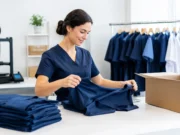
The spa therapist uniform has come a long way from plain white tunics and shapeless scrubs. In 2026, spa brands are treating workwear as a serious part of their guest experience strategy. The right uniform signals professionalism, communicates brand values, and keeps therapists comfortable during long treatment shifts. Whether you manage a boutique day spa or a large wellness resort, staying on top of current trends helps you make smarter purchasing decisions and boost staff morale at the same time.
- Why the Spa Therapist Uniform Matters More Than Ever
- Spa Therapist Uniform Fabric Trends for 2026
- Therapist Uniform Color Choices That Reflect Brand Identity
- Spa Workwear Fabric and Sustainable Sourcing
- Building a Spa Staff Dress Code That Works
- Fit, Functionality, and Movement Freedom
- Customization and Branding Details
- Frequently Asked Questions
- Final Thoughts
Why the Spa Therapist Uniform Matters More Than Ever
Guests form impressions within seconds of walking through the door. A well-designed spa therapist uniform immediately sets a tone of calm, care, and expertise. It tells the guest that this team is serious about their craft and that every detail has been thoughtfully considered.
Beyond first impressions, uniforms protect therapists during treatments involving oils, lotions, and chemical exfoliants. A poorly chosen fabric can absorb product residue, irritate skin, or restrict movement when performing deep tissue work. The uniform is genuinely a working tool, not just a cosmetic choice.
Staff who feel comfortable and confident in their workwear also perform better. Research from occupational health studies consistently shows that ergonomic, well-fitted clothing reduces physical fatigue over long shifts. For spa teams running back-to-back 60-minute treatments, that matters enormously.
Spa Therapist Uniform Fabric Trends for 2026
Fabric selection is at the heart of every great spa therapist uniform decision. The 2026 trend is firmly toward technical natural blends that offer the softness of organic fibers combined with the performance of modern textile engineering.
Top Spa Therapist Uniform Fabric Options Right Now
- Bamboo-viscose blends: Naturally antibacterial, breathable, and silky against the skin. Great for therapists who run warm during treatments.
- Tencel and modal mixes: Derived from wood pulp, these feel luxurious and drape beautifully, giving a premium look without synthetic shine.
- Recycled polyester stretch: Ideal for active treatments like Thai massage or body wraps where full range of motion is needed.
- Organic cotton twill: Durable, easy to launder at high temperatures, and naturally soft after repeated washing.
- Linen-cotton blends: A growing choice for coastal and tropical spa settings, offering excellent airflow.
The right spa workwear fabric also needs to hold color well through frequent commercial laundering. Fading uniforms look tired and damage the professional image a spa spends years building. Always ask suppliers for wash test data before committing to a bulk order.
Therapist Uniform Color Choices That Reflect Brand Identity
Therapist uniform color has shifted noticeably in 2026. The old default of pure white is giving way to more considered palettes that feel on-brand while remaining practical in a treatment environment.
Soft earthy tones like sage green, dusty terracotta, warm sand, and deep slate blue dominate the current spa aesthetic. These shades evoke nature, calm, and wellbeing, all values central to the spa experience. They also hide minor product transfer far better than stark white.
Monochromatic color stories are particularly strong this year. A spa might choose a single mid-tone like stone grey and use different cuts for different roles: a fitted tunic for therapists, a looser smock for beauty technicians, and a classic collar shirt for reception. The unified palette signals cohesion even when silhouettes vary across departments.
- Avoid high contrast patterns in treatment rooms, they can feel visually stimulating rather than relaxing for guests.
- Consider seasonal capsules where your base uniform stays consistent but accent pieces like scarves or aprons shift with the season.
- Test colors under your lighting before ordering. Warm bulbs and LED panels render the same fabric very differently.
Spa Workwear Fabric and Sustainable Sourcing
Sustainability is now a genuine purchasing driver rather than a marketing add-on. Spa clients in 2026 increasingly ask about a business’s environmental commitments, and the spa workwear fabric supply chain is one tangible place brands can demonstrate values.
Certified organic cotton, recycled fibers, and low-impact dyes are the leading choices for eco-conscious uniform programs. The Global Organic Textile Standard (GOTS) certification is worth looking for when sourcing fabric, as it covers environmental and social criteria across the full supply chain. You can learn more about textile standards and sustainability frameworks through resources like Textile Exchange… actually, let me use an allowed domain.
For guidance on sustainable workplace clothing practices and environmental claims, the United States Environmental Protection Agency offers useful frameworks around sustainable materials procurement that apply directly to commercial textile purchasing decisions.
Beyond fiber choice, consider uniform longevity. A well-constructed spa therapist uniform that lasts three years generates far less waste than a cheap version replaced every six months. Reinforced stitching at stress points, colorfast dyes, and proper care labeling all extend garment life significantly.
Some spa groups are also introducing rental and return programs, where worn uniforms are collected, professionally repaired, and redistributed, reducing the total number of garments in the system. This model is gaining traction in luxury resort groups particularly.
Building a Spa Staff Dress Code That Works
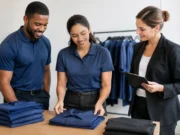
A clear spa staff dress code removes daily ambiguity for team members and ensures consistent guest experiences across every touchpoint. Without written guidelines, individual interpretation leads to mismatched looks that dilute the brand aesthetic you have worked hard to build.
Spa Staff Dress Code Elements to Address in Writing
- Uniform components: Specify exactly which garments are provided and which the staff member sources themselves, such as footwear or undergarments.
- Footwear rules: Closed-toe shoes are standard for health and safety in treatment rooms. Many spas now specify slip-resistant soles.
- Jewelry guidelines: Most spa dress codes limit jewelry to small studs for hygiene reasons. Clear earrings, medical alert bracelets, and plain wedding bands are common exceptions.
- Hair and grooming: Long hair must typically be tied back during treatments. Nail length limits protect clients during massage.
- Fragrance policy: Many wellness spaces ban personal perfume because clients arrive specifically to control their sensory environment.
- Laundering responsibility: State whether uniforms are laundered by the business or the employee, and specify approved washing methods to protect fabric quality.
- Replacement and damage: Outline the process for replacing worn or damaged items without penalizing staff unfairly.
- Seasonal or special occasion variations: Give guidance on how uniforms adapt during special events, holidays, or themed wellness retreats.
Reviewing your spa staff dress code annually keeps it current with evolving safety standards and changing team dynamics. It also gives you a formal opportunity to gather staff feedback on comfort and fit, which often surfaces practical improvements you would not otherwise discover.
Fit, Functionality, and Movement Freedom
The 2026 trend in spa therapist uniform design puts serious emphasis on ergonomic fit. Brands and tailoring manufacturers have invested in motion-capture research to understand exactly how therapists move during different treatments, and those insights are now shaping garment patterns.
Key functional features gaining traction include articulated seams that follow the natural arc of arm movement, gussets under the arms for overhead reach, and stretch panels behind the knees for practitioners who frequently kneel or crouch during body treatments.
Pockets are another growing priority. Therapists need secure, accessible pocket space for a timer, pen, or key card. Hidden internal pockets are becoming more common in premium uniform lines because they add function without disrupting the clean visual line of the garment.
- Raglan sleeve construction reduces shoulder strain over long treatment days.
- V-necklines are preferred over high round necks for therapists who work in warm treatment rooms.
- Elasticated waistbands in trouser designs allow for comfortable bending without restriction.
- Non-slip fabric at trouser waistbands prevents constant adjustment during active work.
Just as the choice of spa workwear fabric affects long-term wearability, the cut of a garment determines whether a therapist can do their job without physical discomfort. These are inseparable decisions that should be made together, not sequentially.
Customization and Branding Details
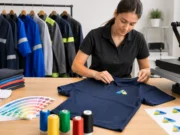
Subtle branding within a spa therapist uniform creates brand recall without compromising the calm aesthetic of a wellness environment. The 2026 approach is refined rather than loud, favoring tonal embroidery over contrasting printed logos.
Popular customization choices include embroidered initials on breast pockets, woven label patches at the collar, and subtle tone-on-tone logo placement at the hem or cuff. These details read as premium when done well and feel intentional rather than corporate.
Color blocking within a single garment is another growing trend. A tunic might feature a different fabric panel across the back yoke, adding visual interest while also allowing a more breathable material in a high-heat area. This technique is especially effective when the accent panel uses the brand’s secondary color.
It is worth considering how embellishments hold up through commercial laundering. Embroidery threads should be colorfast and thread density should be high enough to prevent fraying after repeated high-temperature washing. Screen prints fade quickly in commercial laundry, making them a poor choice for spa uniforms that wash frequently.
For businesses exploring related uniform design questions beyond beauty settings, topics like sports club uniform design or the craft of leather apron care in professional kitchen and artisan environments share some useful principles around durability and brand expression that translate well to spa contexts.
Frequently Asked Questions About Spa Therapist Uniform
What fabric is best for a spa therapist uniform?
Bamboo-viscose blends and Tencel mixes are top choices in 2026 for their breathability, softness, and antibacterial properties. Organic cotton twill is excellent for durability and ease of laundering. The best fabric depends on your treatment environment, climate, and laundering setup. If therapists perform active treatments, adding a small percentage of recycled stretch polyester to a natural base fabric improves range of motion significantly without sacrificing comfort against the skin.
How often should spa uniforms be replaced?
A well-maintained spa therapist uniform made from quality fabric should last 18 to 36 months with regular professional laundering. Signs it is time to replace include visible pilling, color fading, stretched seams, or fabric thinning. Keeping a rotation of two to three sets per therapist reduces wear per garment and extends the lifespan of each piece. Scheduling an annual uniform review helps you catch degradation before it affects the guest experience.
What colors work best for a spa therapist uniform?
Earthy, muted tones are the leading therapist uniform color choice in 2026. Sage green, warm sand, dusty terracotta, and slate blue all perform well in wellness environments because they feel calming and align with nature-inspired brand aesthetics. Avoid bright or high-contrast colors in treatment spaces as they can feel stimulating rather than relaxing. Always test your chosen color under the actual lighting conditions of your space before placing a bulk order.
Should I provide uniforms to spa staff or ask them to purchase their own?
Providing uniforms is strongly recommended for maintaining consistent brand standards and ensuring quality control. When staff purchase their own, variation in shade, fit, and fabric quality is almost inevitable. Many spas supply the uniform at no cost and deduct a small amount from final pay if a team member leaves before a set tenure period. This approach protects the business investment while keeping the uniform burden off individual employees who may not earn high wages.
What should a spa staff dress code include?
A complete spa staff dress code should cover uniform components, footwear requirements, jewelry limits, hair and grooming standards, fragrance policies, laundering responsibilities, and procedures for replacing damaged items. It should also address how uniforms adapt for seasonal events or themed programming. Written clearly and reviewed annually, a solid dress code removes guesswork for staff and protects the spa’s brand consistency. Including staff input during the review process improves buy-in and surfaces practical improvements managers might otherwise miss.
Final Thoughts on the Spa Therapist Uniform
The spa therapist uniform is one of the most visible expressions of your brand’s personality and values. Getting it right means balancing aesthetics with real-world functionality, selecting spa workwear fabric that holds up through demanding use, and writing a clear spa staff dress code that guides your whole team confidently.
The 8 trends covered here, from sustainable sourcing and ergonomic fit to tonal branding and considered therapist uniform color choices, all point in the same direction. The industry is moving toward uniforms that treat therapists as skilled professionals deserving thoughtful, high-quality workwear rather than an afterthought.
Much like how conversations around airport uniform design have elevated the standard of hospitality workwear globally, the beauty and wellness sector is raising its own bar. Invest in a spa therapist uniform program that reflects that ambition, and your team, your guests, and your brand will all benefit.