

















A hotel front desk team, a field-service crew, and a food-production line may all wear branded uniforms, but their operational needs are entirely different. That is why smart workwear is not simply a sharper-looking polo shirt or a logo added to a standard garment. It is workwear specified around the job, the wearer, the environment, and the business systems behind it.
For buyers, the value is practical. Better specifications can reduce replacement rates, improve staff acceptance, support safety requirements, and maintain a consistent brand presentation across locations. The most successful programs treat the uniform as an operating asset with measurable performance, not as a one-time apparel order.
What Smart Workwear Means for Commercial Buyers
Smart workwear combines functional garment design with more deliberate choices around fabric, fit, branding, visibility, care, and replenishment. In some settings, it may include technology such as RFID garment tracking, QR-coded care information, temperature-regulating textiles, or connected personal protective equipment. In many organizations, however, the “smart” element begins much earlier: choosing a fabric that survives the workday and a supply model that can support the next order.
A corporate office uniform may need stretch, wrinkle resistance, and a refined silhouette for customer-facing teams. A logistics uniform needs abrasion resistance, mobility, high-visibility details, and size consistency across large workforces. Healthcare apparel may prioritize fluid resistance, wash durability, color coding, and easy movement during long shifts.
The distinction matters because features can create trade-offs. A highly water-resistant shell may reduce breathability. A lightweight performance knit can be comfortable in warm conditions but may not withstand repeated industrial laundering. Premium decoration can strengthen brand presence but add cost and lead time. Buyers should define which outcomes are essential rather than requesting every available feature.
Start With the Work, Not the Garment
Before approaching a uniform supplier, map how employees actually work. Observe whether staff spend most of the day outdoors, in air-conditioned interiors, near heat sources, behind a counter, driving, lifting, or moving between public and back-of-house areas. A garment that looks suitable in a presentation can fail quickly when pockets, seams, ventilation, or sleeve construction do not match the task.
A useful brief identifies the wearer group, job activity, shift length, climate exposure, required protective properties, laundering conditions, and customer-facing expectations. It should also identify whether the program must accommodate pregnancy, religious attire, extended sizing, or different cuts for a diverse workforce. Inclusive sizing and fit options are not minor details. They directly affect comfort, adoption, and professional presentation.
For organizations with multiple roles, avoid forcing one garment design across every department merely to simplify purchasing. A coordinated uniform system can use common brand colors and decoration while giving each team the right silhouette and performance level. For example, hospitality teams may share a color palette while housekeeping receives more durable, stretch-oriented styles than reception staff.
Fabric Performance Is Where Cost Control Begins
Fabric selection often determines whether a uniform remains presentable after months of wear or becomes an early replacement expense. Buyers should ask suppliers to explain fiber content, fabric weight, weave or knit construction, colorfastness, shrinkage expectations, and recommended wash process. Generic terms such as “premium cotton” or “performance fabric” do not provide enough procurement detail.
Cotton-rich fabrics can offer comfort and breathability, particularly for indoor or moderate-temperature roles. Polyester blends generally provide better color retention, shape stability, and easier care, making them common for high-volume programs. Stretch fibers improve mobility but should be evaluated for recovery after repeated washing. For outdoor and industrial users, fabric strength, UV protection, moisture management, and resistance to snagging may matter more than a soft hand feel.
Requesting samples is essential, but a new sample only tells part of the story. Where the order is significant, ask for wash-test information or conduct a wear trial with actual staff. Check pilling, fading, seam distortion, logo appearance, and comfort after multiple wash cycles. If uniforms are professionally laundered, make sure the supplier understands the wash temperature and chemical exposure. A fabric suited to home washing may perform differently in commercial laundry.
Specify Decoration for the Job and the Brand
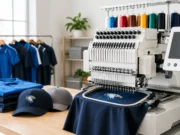
Embroidery, screen printing, heat transfer, digital printing, woven badges, and reflective transfers each serve different purposes. The best method depends on artwork detail, garment material, quantity, placement, and expected wear.
Embroidery gives a durable, textured result that suits polo shirts, jackets, caps, and corporate uniforms. It can become heavy or distort lightweight fabrics if the design is large or densely stitched. Screen printing remains efficient for simple graphics and larger volumes, especially on cotton-rich garments. Heat transfers can reproduce detailed logos and individual names, but their durability depends on the transfer quality, fabric compatibility, and care conditions.
For safety garments, decoration should never compromise mandated visibility areas or reflective striping. For food handling, healthcare, or clean environments, consider whether raised embroidery or decorative attachments create hygiene or snagging concerns. A supplier should be able to advise on decoration placement, color matching, and production artwork before bulk approval.
Brand consistency also requires a practical color strategy. Fabric dye lots can vary slightly between production runs, particularly when orders are placed months apart. Buyers managing multiple branches should record approved Pantone references where relevant, decoration thread colors, logo dimensions, placement measurements, and approved garment codes. This creates a specification that can be repeated instead of reinvented with every reorder.
Smart Workwear Needs a Replenishment Plan
Many uniform programs perform well at launch and become difficult six months later. New hires need garments quickly, staff turnover creates unpredictable demand, and discontinued styles leave departments wearing mismatched items. This is where supplier capability becomes as important as garment design.
Ask prospective manufacturers or uniform suppliers how they manage repeat orders, minimum order quantities, fabric availability, size forecasting, and artwork records. Find out whether they can reserve fabric, maintain standard colorways, or propose a substitute if a base garment is discontinued. For larger organizations, consider a core range of stock-supported items alongside custom made uniform pieces used for senior staff, front-of-house teams, or special campaigns.
Digital garment management can add real value when the workforce is large or dispersed. RFID, barcodes, QR labels, or simple issue records can help track allocation, laundry cycles, replacement frequency, and missing garments. Not every organization needs connected workwear, and the technology should not be adopted for its own sake. A school, restaurant group, or small contractor may gain more from accurate sizing records and a reliable reorder process than from advanced tracking hardware.
Assess Suppliers Beyond Their Quotation
A low unit price can conceal weak quality control, uncertain lead times, or inconsistent decoration. Buyers should assess whether a supplier can explain its production process clearly, provide size charts and samples, handle artwork approvals, and identify realistic lead times. For custom programs, ask about pre-production samples, quality inspection, packing requirements, and how defects or size discrepancies are handled.
It is also worth checking the supplier’s specialization. A manufacturer experienced in flame-resistant industrial apparel may not be the best fit for tailored hospitality uniforms, while a promotional apparel printer may not have the capability to manage complex multi-size corporate issues. Supplier profiles, manufacturer profiles, and product catalogues can help buyers narrow the field, but the final decision should be based on the requirements of the program.
Responsible sourcing is increasingly part of that assessment. Buyers may need visibility into recycled fiber options, chemical-management practices, labor standards, or packaging reduction. Sustainability claims should be specific and supported by material information or recognized documentation. Durable garments that remain in service longer can be a meaningful sustainability gain, even when the initial purchase price is higher.
Build a Specification That Can Be Repeated
The strongest workwear brief is clear enough for multiple stakeholders to use. It should include garment descriptions, fabric composition and weight, approved colors, decoration files and locations, size range, performance requirements, care instructions, packaging, delivery schedule, and acceptance criteria. Photos and technical drawings are useful, but written measurements and tolerances prevent misunderstandings.
Run a small pilot before committing to a full deployment whenever possible. Give wearers time to test fit, heat comfort, pocket access, logo placement, and wash performance. Gather feedback by job role, not only from managers. The person loading boxes, cleaning rooms, serving customers, or working an overnight shift will often identify issues that are invisible in a showroom.
Smart workwear works best when procurement, operations, HR, and brand teams agree on the few requirements that cannot be compromised. Choose garments that earn staff acceptance, protect the work, and make future reorders easier. That is how a uniform program stays consistent long after the launch photos are gone.