























Introduction to Uniform Fabric Swatches
Uniform fabric swatches play a crucial role in various industries, including fashion, home decor, and corporate branding. These small pieces of fabric, meticulously cut and organized, serve as a tangible representation of material options available for any design project. Understanding the significance of fabric swatches is essential for clients and designers alike, as they enhance decision-making processes and streamline material selection.
Fabric swatches allow consumers to feel the texture and see the true colors of materials before making purchasing decisions. In fashion, designers rely on these swatches to ensure that the fabrics they choose align with their creative vision. For home decor, customers can visualize how different fabrics will look in their living spaces, leading to more informed choices that reflect their personal style. Additionally, corporate branding utilizes fabric swatches to maintain consistency in company branding elements, such as uniforms and promotional materials.
The utility of uniform fabric swatches extends beyond their aesthetic appeal. They assist in mitigating the risk of buyer’s remorse by allowing clients to evaluate the quality of materials physically. By having a range of options readily available, both designers and clients can engage in more productive discussions regarding material preferences, color palettes, and texture combinations. Moreover, swatches provide a reference point for comparing different fabrics, which can be especially beneficial in identifying the most suitable materials for specific projects.
In summary, uniform fabric swatches are not merely samples; they are essential tools in various industries that facilitate informed decision-making. By providing a physical representation of materials, these swatches enhance the design process, ensuring that clients and designers can work together effectively to achieve their desired results.
The Range of Fabrics Offered by Salongtex
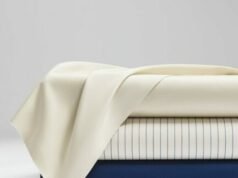
Salongtex is renowned for its extensive collection of uniform fabric swatches that cater to a variety of professional attire requirements. The selection encompasses a diverse range of fabric types, each meticulously crafted to meet the demands of various industries. From healthcare to hospitality, the fabrics provided by Salongtex are tailored to offer both durability and comfort.
One of the prominent categories includes cotton fabrics, known for their breathability and softness. Cotton is an ideal choice for uniforms, as it offers excellent comfort for all-day wear. Additionally, Salongtex provides blended fabrics, which combine cotton with synthetic fibers like polyester. This blend enhances durability and reduces wrinkling, making it a preferred option for workwear that requires frequent laundering.
Moreover, Salongtex features a selection of polyester fabrics, famous for their resilience and color retention. Polyester uniforms maintain their appearance over time, making them suitable for professions where a polished look is essential. Many of these polyester options are offered in various textures, such as twill and serge, which add a tactile dimension to the garments.
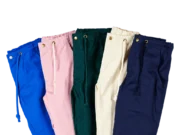
In terms of colors, Salongtex provides an extensive palette, ensuring that clients can select shades that align with their branding or organizational identity. From classic neutrals to vibrant hues, there are fabric swatches that meet diverse aesthetic preferences. Patterns are another aspect of the offering; incorporates stripes and checks can enhance the visual appeal of uniforms while allowing for differentiation within employee roles.
In conclusion, the range of fabrics available from Salongtex not only encompasses a wide variety of materials, colors, and textures but also caters to the unique needs of various professional domains. The attention to detail in fabric selection ensures that the uniforms are both functional and stylish, promoting a sense of professionalism among workers.
Benefits of Using Swatches for Uniform Selection
When selecting uniforms, the use of fabric swatches presents several significant advantages that streamline the decision-making process and enhance the overall outcome. One of the primary benefits is the ability to perform visual comparisons among different fabrics. Swatches provide a tangible way to assess color options, textures, and patterns side by side, allowing decision-makers to visualize how various elements will come together in the final design. This visual comparison ensures that all stakeholders have a clear understanding of the aesthetic aspects of the uniforms, ultimately leading to more informed choices.
In addition to visual assessment, tactile experience plays a crucial role in uniform selection. Fabric swatches allow individuals to physically touch and evaluate the materials. The feel of a fabric can significantly impact comfort levels for the wearers, as different materials offer varying degrees of softness, stretch, and breathability. By having swatches on hand, one can gauge how a particular fabric will perform in real-world conditions, helping in the selection of a fabric that will provide comfort throughout the workday.
Durability evaluations are another critical component facilitated by fabric swatches. Swatches allow potential users to assess the durability of different options before making an investment. Understanding the longevity and wearability of a fabric helps ensure that the selected uniforms can withstand the rigors of daily use, particularly in demanding environments.
Moreover, fabric swatches contribute to effective color matching, which is vital for organizations aiming to maintain cohesive branding. By evaluating swatches, teams can ensure that the colors of uniforms align with the organization’s brand palette, reinforcing brand identity while promoting a professional appearance.
Overall, utilizing fabric swatches during the uniform selection process enhances not only the functional aspects of the attire but also the visual and tactile experiences of the wearers, ultimately leading to informed, cohesive, and comfortable uniform choices.
Tips for Choosing the Right Fabric Swatch
Choosing the right fabric swatch is crucial for several projects, whether you are designing clothing, home furnishings, or any other fabric-based item. One of the first steps in this process is to consider the intended use of the fabric. Different applications require different qualities; for instance, a swatch meant for upholstery will differ significantly from one used in clothing. Therefore, identifying the primary function of the fabric is essential in making an informed choice.
Another important consideration is the ease of maintenance of the fabric. Some materials are machine washable and durable, while others may require dry cleaning or special care. Understanding how much effort you are willing to invest in maintaining your fabric can greatly influence your selection. For everyday use items, such as clothing or throw pillows, it is often advisable to select fabrics that are resistant to stains and easy to clean.
Climate suitability is another factor that cannot be overlooked when choosing fabric swatches. In warmer climates, breathable fabrics like cotton or linen may be more appropriate, whereas cooler environments might necessitate thicker materials such as wool. Assessing the climate and the temperature range of the area can guide you toward fabric choices that will provide comfort and functionality.
Lastly, personal preferences play a significant role in your selection process. This encompasses not only the aesthetic qualities, such as color and pattern, but also the tactile experience. Some may prefer the softness of velvet, while others might lean towards the crispness of a cotton blend. It is recommended to gather a variety of swatches to feel and see in person, as this tactile interaction can greatly aid in the decision-making process.
By weighing these factors—intended use, ease of maintenance, climate suitability, and personal preferences—you will be better equipped to choose the right fabric swatch that meets your needs and expectations.