




















Antimicrobial Fabric: 8 Discover Strategies
Antimicrobial fabric has become one of the most talked-about innovations in the textile industry. Whether you are buying activewear, workwear, or everyday clothing, understanding how this technology works can save you money and keep you healthier. In 2026, more brands and manufacturers are building antimicrobial properties directly into fibers, changing the way we think about hygiene and clothing. This guide walks you through 8 clear strategies for getting the most out of antimicrobial fabric.
- What Is Antimicrobial Fabric?
- How Antimicrobial Textile Treatments Work
- Key Benefits of Antimicrobial Fabric
- Choosing the Right Antimicrobial Fabric
- Fabric Hygiene Technology in Uniforms
- Caring for Odor Resistant Fabric
- Common Mistakes With Antimicrobial Fabric
- Future of Antimicrobial Fabric
- Frequently Asked Questions
- Final Thoughts
What Is Antimicrobial Fabric?
Antimicrobial fabric is any textile that has been engineered or treated to resist the growth of microorganisms. These microorganisms include bacteria, fungi, mold, and mildew. The goal is simple: stop unwanted microbial growth before it causes odor, staining, or fabric breakdown.
Fabrics can be made antimicrobial in two main ways. The first involves incorporating antimicrobial agents directly into the fiber during manufacturing. The second involves applying a surface treatment or finish to the finished fabric. Both methods have their own strengths, and the right choice depends on how the fabric will be used.
It is worth understanding that not all antimicrobial fabrics are equal. Some are tested to hospital-grade standards, while others are designed mainly for mild odor control in sportswear. Always look at product specifications and certifications before making a purchase decision.
What Makes a Fabric Truly Antimicrobial?
A fabric qualifies as genuinely antimicrobial when it has been tested against specific microorganisms and meets defined reduction thresholds. The most widely referenced standard in 2026 is the AATCC 100 test, which measures bacterial reduction on textile materials. A fabric that shows at least 99 percent bacterial reduction after testing is typically labeled as antimicrobial.
Some fabrics use natural antimicrobial agents like silver ions, copper, or zinc. Others use synthetic compounds like triclosan or quaternary ammonium salts. Each agent works differently and has varying durability through repeated laundering. This is why checking test data and wash-durability claims matters so much before you buy.
How Antimicrobial Textile Treatments Work
Antimicrobial textile treatments function by disrupting the ability of bacteria and fungi to reproduce or survive on the fabric surface. Different active agents achieve this in different ways, and understanding the mechanism helps you pick the right product for your needs.
- Silver ion technology: Silver ions interfere with bacterial cell membranes and enzyme activity, preventing reproduction. This method is widely used in medical textiles and high-performance sportswear.
- Copper-infused fibers: Copper has natural antimicrobial properties. Fibers embedded with copper compounds are durable and effective, often used in socks, compression garments, and bedding.
- Zinc-based treatments: Zinc pyrithione is commonly applied to outdoor and activewear fabrics. It is particularly effective against odor-causing bacteria and fungi.
- Chitosan coatings: Derived from shellfish shells, chitosan is a natural biopolymer used as an eco-friendly antimicrobial textile treatment. It binds to fabric surfaces and disrupts microbial cell walls.
- Quaternary ammonium compounds: These synthetic compounds are widely used for surface treatments. They work by puncturing bacterial cell membranes and are durable through many wash cycles.
The delivery method matters as much as the agent itself. Built-in fiber technologies tend to last longer than surface coatings, which can wash out over time. When reading product labels, look for language like “permanent antimicrobial protection” to identify built-in treatments.
Key Benefits of Antimicrobial Fabric
The appeal of antimicrobial fabric goes well beyond basic hygiene. There are practical, economic, and health-related benefits that make this technology genuinely useful across a wide range of applications.
- Odor control: Bacteria are the primary cause of body odor in clothing. Antimicrobial fabric reduces bacterial growth, which means garments stay fresher between washes.
- Longer garment life: Mold and mildew can degrade fabric fibers over time. Preventing microbial growth helps garments maintain their integrity and appearance longer.
- Fewer washes needed: Because odors develop more slowly, you can wear antimicrobial garments more times before washing. This saves water, energy, and detergent.
- Reduced skin irritation: Some skin irritations are linked to bacterial growth in fabric. Antimicrobial textiles can lower this risk, particularly for people with sensitive skin.
- Better hygiene in shared environments: In workplaces, healthcare settings, and gyms, antimicrobial fabric helps reduce the spread of microorganisms between people who share equipment or uniforms.
These benefits are not just theoretical. Research published through textile engineering institutions has consistently shown measurable reductions in microbial load on treated fabrics under real-world conditions. For anyone spending long hours in clothing, particularly in warm or active environments, the difference is noticeable.
Choosing the Right Antimicrobial Fabric
Selecting the right antimicrobial fabric starts with knowing your use case. The needs of a hospital nurse differ vastly from those of a marathon runner or a hotel housekeeper. Here are the most important factors to consider.
Understand Your Use Case for Antimicrobial Fabric
Start by asking what problem you are actually trying to solve. Are you looking for odor resistant fabric for workout clothing? Do you need hospital-grade bacterial protection for medical garments? Are you choosing fabric for uniform programs in high-contact service environments? Each scenario has a different ideal solution.
For high-activity use like sports or outdoor work, look for moisture-wicking fabric with built-in antimicrobial protection. The combination of fast-drying properties and microbial resistance is especially effective at reducing odor. For medical or clinical environments, focus on fabrics with certified bacterial reduction rates and wash durability above 50 laundry cycles.
- Check for third-party test certifications such as OEKO-TEX, AATCC, or ISO 20743.
- Ask manufacturers about wash durability data, specifically how many wash cycles the treatment survives.
- Consider fiber type: synthetic fibers like polyester and nylon are most commonly treated, but natural fiber options exist too.
- Look for transparency: reputable brands publish their antimicrobial performance data openly.
- Balance antimicrobial performance with comfort, breathability, and stretch where needed.
Price is a valid factor too, but it should not be the only one. Cheaper fabrics with weak surface treatments may lose their antimicrobial properties after just a handful of washes, making them poor value over time.
Fabric Hygiene Technology in Uniforms
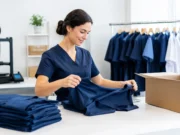
Fabric hygiene technology has transformed the uniform industry. Workers in healthcare, hospitality, food service, and industrial settings all benefit from garments that actively resist microbial growth throughout a long shift.
In professional environments, uniforms are often worn for eight or more hours at a time. Heat, sweat, and close contact with others create conditions where bacteria thrive. Antimicrobial textile treatments built into uniform fabrics reduce this risk significantly, keeping staff more comfortable and work environments cleaner.
Interestingly, many of the same fabric considerations that apply to spa therapist uniform selection also apply here, since both involve prolonged skin contact, movement, and hygiene standards. Similarly, decisions about mechanic shop uniforms have started incorporating antimicrobial technology to address the bacteria that accumulate in physically demanding environments. When thinking about fabric hygiene technology for hotel staff uniforms, the focus tends to shift toward fabrics that maintain their freshness through multiple shifts and frequent industrial laundering.
Uniform managers and procurement teams in 2026 are increasingly specifying antimicrobial performance as a baseline requirement rather than an optional upgrade. This shift reflects growing awareness of how fabric hygiene technology directly impacts worker wellbeing and brand standards.
Caring for Odor Resistant Fabric
Even the best odor resistant fabric needs proper care to maintain its performance over time. Poor laundering habits can shorten the effective life of antimicrobial treatments and reduce fabric performance faster than normal wear.
- Use cool to warm water: High-heat washing can degrade some antimicrobial agents. Check the garment label and default to 30 to 40 degrees Celsius unless specified otherwise.
- Avoid fabric softeners: Fabric softeners coat fibers with a waxy layer that can interfere with antimicrobial surface treatments. Use them sparingly or not at all on treated garments.
- Skip bleach: Chlorine bleach can break down both the fabric and its antimicrobial finish. Opt for oxygen-based alternatives if stain treatment is needed.
- Dry thoroughly: Damp storage is the enemy of antimicrobial fabric. Always dry garments fully before storing them to prevent mold and mildew from taking hold.
- Turn garments inside out: This protects the outer surface during washing while allowing the inner surface, which contacts skin directly, to get a thorough clean.
- Follow manufacturer guidelines: Every antimicrobial fabric has specific care instructions. Following them precisely is the single best way to extend performance life.
With the right care routine, many quality antimicrobial garments can maintain their core properties through 50 to 100 wash cycles. This makes them a genuinely cost-effective choice over the full life of the garment.
Common Mistakes With Antimicrobial Fabric
Even well-informed buyers make avoidable errors when it comes to antimicrobial fabric. Knowing these pitfalls ahead of time can save you frustration and money.
- Assuming all antimicrobial claims are equal without checking certifications or test data.
- Buying based on price alone without considering wash durability and long-term performance.
- Using fabric softeners or bleach that actively degrade the antimicrobial treatment.
- Storing damp or barely-dry garments, undoing the fabric’s microbial resistance.
- Ignoring fiber base type, since some treatments bond poorly to certain natural fibers.
- Overlooking skin sensitivity concerns, as some synthetic antimicrobial agents can cause reactions in people with certain allergies.
- Expecting antimicrobial fabric to replace regular washing, since the fabric limits microbial growth but does not eliminate the need for hygiene.
- Failing to replace garments when the antimicrobial treatment has visibly or functionally expired.
The most common mistake of all is expecting antimicrobial fabric to do the job of proper hygiene practices. These fabrics are a supplement to good habits, not a replacement for them. Regular washing is still necessary, just less frequent in many cases.
Future of Antimicrobial Fabric
The future of antimicrobial fabric is exciting and moving quickly. Research institutions and textile engineers around the world are developing next-generation solutions that are more durable, more sustainable, and more effective than what is available today.
Photothermal antimicrobial fabrics, which activate their microbial-fighting properties when exposed to light, are one of the more promising developments in 2026. Graphene-enhanced textiles are another emerging area, with graphene’s natural antibacterial properties being woven directly into fiber structures at the nanoscale.
Sustainability is also driving innovation. Many traditional antimicrobial textile treatments have raised environmental concerns during manufacturing and after disposal. Researchers are increasingly focused on bio-based agents like plant extracts, essential oils, and naturally derived polymers that offer comparable performance with a lower environmental footprint. You can find ongoing research into textile sustainability through resources like the American Chemical Society, which regularly publishes peer-reviewed studies on new antimicrobial textile compounds.
Consumer demand is pushing brands to be more transparent about their antimicrobial claims. Third-party certification bodies are strengthening their testing standards to ensure that “antimicrobial” labels on garments actually mean something measurable and durable.
Frequently Asked Questions
Is antimicrobial fabric safe to wear against skin?
For most people, antimicrobial fabric is completely safe. The majority of commercial treatments used in clothing are tested for skin safety before they reach consumers. However, people with known sensitivities to silver, copper compounds, or certain synthetic agents should read product specifications carefully. If you experience redness or irritation, switch to a fabric using a natural antimicrobial agent like chitosan or zinc pyrithione, which tend to be gentler. When in doubt, consulting a dermatologist is always a smart move before committing to a new garment material.
How long does antimicrobial fabric stay effective?
The effective life of antimicrobial fabric varies depending on the type of treatment and how the garment is cared for. Surface-applied treatments may begin losing effectiveness after 20 to 30 wash cycles. Built-in fiber technologies, such as silver ion-embedded yarns, can maintain performance for 50 to 100 or more wash cycles. Following the manufacturer’s care instructions is the best way to maximize longevity. Look for garments that provide documented wash durability data, as this gives you a realistic picture of long-term performance rather than relying on marketing claims alone.
Can antimicrobial fabric replace regular washing?
Antimicrobial fabric reduces the rate at which bacteria and odors develop, but it does not eliminate the need for regular washing. Dirt, skin cells, sweat residue, and environmental contaminants still accumulate on fabric surfaces and must be removed through laundering. What antimicrobial technology offers is the ability to wear a garment more times between washes without noticeable odor buildup. This is a practical benefit, particularly for travelers, athletes, or workers with demanding schedules, but it should not be misread as a reason to skip washing altogether.
What certifications should I look for in antimicrobial fabric?
In 2026, the most recognized certifications for antimicrobial textile performance include OEKO-TEX Standard 100, which confirms the fabric is free from harmful substances, and AATCC 100 test compliance, which measures bacterial reduction rates. ISO 20743 is an international standard specifically for the antimicrobial activity of textile products. Certifications from Bluesign or the Global Organic Textile Standard (GOTS) indicate additional environmental responsibility. Always ask for or look up test results rather than accepting general antimicrobial marketing language, which can sometimes be vague or unsubstantiated.
Is antimicrobial fabric environmentally friendly?
It depends heavily on the specific technology used. Some antimicrobial textile treatments, particularly certain synthetic compounds, can leach into wastewater during washing and raise environmental concerns. Others, especially bio-based options like chitosan or plant extract treatments, have a much lower environmental impact. The good news is that antimicrobial fabrics often reduce wash frequency, which does save water and energy over time. When environmental responsibility matters to you, focus on fabrics that carry recognized eco-certifications and use naturally derived antimicrobial agents rather than purely synthetic compounds.
Final Thoughts on Antimicrobial Fabric
Antimicrobial fabric is one of the most practical and fast-evolving categories in modern textiles. Whether you are outfitting a team, refreshing your workout wardrobe, or exploring new materials for a uniform program, understanding these 8 strategies gives you a real advantage in making smarter choices.
The technology works best when you pair it with proper care habits, realistic expectations, and an eye for quality certifications. As fabric hygiene technology continues to advance, the gap between standard textiles and antimicrobial options will only grow in favor of treated fabrics for high-use applications.
Keep asking questions, check the data behind product claims, and choose antimicrobial fabric that is genuinely suited to your needs. The result is clothing and textiles that work harder, last longer, and keep you more comfortable every day.